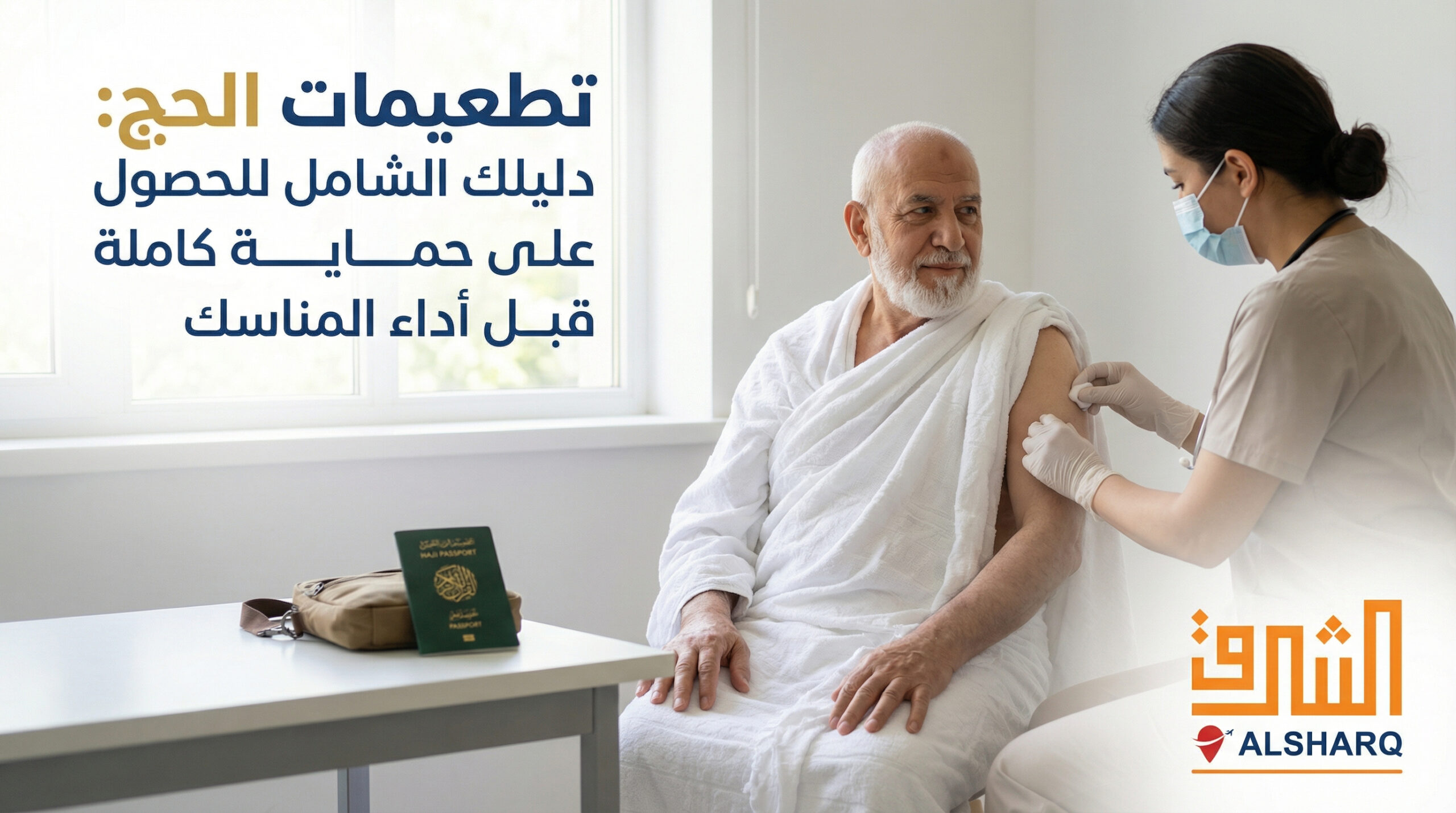
As the Hajj season approaches, many are searching for information about Hajj vaccinations, as pilgrims are keen to prepare themselves spiritually and physically for this journey. To ensure their safety, pilgrims undergo these vaccinations, which are not merely a routine procedure but essential preventative measures. Therefore, in this post, we will learn about Hajj vaccinations and why they are so important.
What are the essential Hajj vaccinations that should be taken?
There are a number of vaccines that doctors recommend getting before going on Hajj. Some are mandatory, while others are optional. These include:
Meningitis Vaccine
Meningitis is a contagious disease transmitted through respiratory droplets from the mouth and nose. It affects the membranes of the brain and spinal cord, and can lead to serious symptoms if the pilgrim does not receive timely treatment.
This vaccine is considered essential and should be received by all pilgrims coming to the Holy Mosque in Mecca. One important point to consider is the necessity of receiving the vaccine well in advance of Hajj, at least ten days before the travel date. The vaccine’s effectiveness lasts for no more than three years.
Furthermore, several precautionary measures can help prevent meningitis, including: maintaining personal hygiene, ensuring well-ventilated bedrooms to allow in fresh air and sunlight, washing hands after contact with sick individuals, avoiding drafts, eating a healthy diet to boost immunity, avoiding crowded places whenever possible, and not sharing personal items such as towels, tissues, and cups. It is also important to use tissues when sneezing.
Yellow Fever Vaccination
This disease is common in sub-Saharan Africa, as well as in South and Central America. Vaccination against yellow fever is essential for people traveling from these regions. This epidemic is contagious and dangerous, with serious consequences. Among its known symptoms are a sudden high fever, headache, dizziness, muscle aches, and impaired liver and kidney function.
Influenza Vaccination
This vaccination is optional for all pilgrims performing Hajj. However, it should be recommended for those most vulnerable to complications from this disease, such as the elderly, individuals with chronic respiratory illnesses, and patients with diabetes and kidney failure. Doctors generally advise getting this vaccination because many pilgrims are infected due to overcrowding, which can affect their ability to perform the rituals safely and healthily.
Pneumococcal Vaccination
This is a specific vaccination not given to all pilgrims. It is reserved for those with sickle cell anemia, kidney failure, immunodeficiency, or those who have had their spleen removed. It can also be given to the elderly or those with chronic liver, heart, or respiratory diseases.
Childhood Vaccinations
It is essential to ensure children receive the necessary vaccinations after completing their basic immunizations against common childhood diseases such as pertussis (whooping cough), diphtheria, measles, tuberculosis, and tetanus, in addition to the vaccinations required for Hajj.
Cholera Vaccination
Cholera is a serious disease, particularly prevalent in India and Pakistan. Pilgrims from these countries must take necessary precautions against the disease by receiving the appropriate vaccine to minimize its risks and impact on others.
Typhoid and Paratyphoid Fever Vaccination
Typhoid fever is one of the most severe types of fever and is caused by Salmonella bacteria (A, B, and C). This infection is transmitted through the consumption of food or drinks contaminated with Salmonella bacteria.
COVID-19 Vaccination
Regarding COVID-19 vaccinations: All adults and children aged 5 years and older who wish to perform Hajj must provide proof of a valid vaccination record showing that they have completed the vaccinations approved in the Kingdom of Saudi Arabia, as confirmed by the Ministry of Health.
The Importance of Hajj Vaccinations for a Safe and Healthy Journey
The role of Hajj vaccinations extends beyond protecting the individual pilgrim; it also encompasses safeguarding the health of everyone attending this major religious
You can read more articles: When do the Hajj rituals begin?
event. By adhering to vaccinations and health measures, the likelihood of spreading infectious diseases can be reduced, ensuring pilgrims return home in good health.
The shared responsibility between governments, religious institutions, and health authorities necessitates continued awareness campaigns about the importance of vaccinations before performing Hajj.
Effective and ongoing awareness campaigns targeting pilgrims before their departure are crucial to ensure they receive the necessary vaccinations and to highlight the role these vaccinations play in protecting them and the entire community.
Conclusion
In conclusion, Hajj vaccinations are absolutely essential for a safe and risk-free pilgrimage. Therefore, be sure to get vaccinated on time to be fully prepared for your Hajj journey. To book your trip with complete peace of mind and confidence, contact Al Sharq Hajj & Umrah Travel Company now and take advantage of the best offers and services that guarantee a safe and comfortable spiritual journey.
Al Sharq Company – Your Journey to the Holy House begins with a step towards us.
FAQs
What vaccinations are mandatory for performing Hajj in 1446 AH?
Pilgrims must be immunized against the following diseases:
- Neisseria meningitis.
- Coronavirus (COVID-19).
- Seasonal influenza.
If I received a booster dose of the COVID-19 vaccine, do I need to receive it again?
The vaccine must be received regardless of the number of previous doses of the COVID-19 vaccine.
If I received the flu vaccine last year, is that sufficient to avoid receiving it this year?
Everyone wishing to perform Hajj should receive the seasonal flu vaccine, provided that at least 10 days and no more than one year have passed since the last vaccination.
Are there any side effects to the Hajj vaccines?
Hajj vaccines may cause some side effects such as fever and cold-like symptoms. Therefore, it is advisable to take pain relievers and fever reducers as needed, increase fluid intake, and avoid strenuous physical activity.
Is there a gap between receiving the flu, meningitis, and COVID-19 vaccines?
There is no need for a gap between Hajj vaccinations. They can all be received at the same time or administered without any interval.
Are there any contraindications for pregnant women receiving Hajj vaccinations?
There are no contraindications for pregnant women to receive any of these vaccines.
Discover more about the offers: Hajj offers
Need more information: About us
Need help : Contact us